18365-42-9 (α-氯代肉桂醛,2-Chloro-3-phenylacrylaldehyde)

CAS号:
18365-42-9
中文名称:
α-氯代肉桂醛
英文名称:
2-Chloro-3-phenylacrylaldehyde
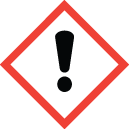
安全信息:
分子式:
C9H7ClO
分子量:
166.604281663895

α-氯代肉桂醛(18365-42-9)名称与标识符

名称

中文别名:
α-氯代肉桂醛;alpha-氯代肉桂醛;a-氯代肉桂醛;Α-氯硅醛;Α-氯桂皮醛;alpha-氯化肉桂醛;
英文别名:
2-Chloro-3-phenylacrylaldehyde;alpha-Chlorocinnamaldehyde;α-Chlorocinnamaldehyde;(Z)-2-chloro-3-phenylprop-2-enal;2-Chloro-3-phenyl-2-propenal;2-chloro-3-phenylprop-2-enal;2-chloro-3-phenylpropenal;2-chlorocinnamaldehyde;2-Propenal,2-chloro-3-phenyl;A-Chlorocinnamaldehyde;EINECS 242-237-4;Cinnamaldehyde,a-chloro- (6CI,8CI);2-Chloro-3-phenylacrolein;Alpha chloroRou Guiquan;alpha-chloro-cinnamaldehyd;2-chloro-3-phenyl-2-propena;Cinnamaldehyde, alpha-chloro-;2-Propenal, 2-chloro-3-phenyl-;CS-W016053;Cinnamaldehyde, alpha-chloro-, (Z)-;InChI=1/C9H7ClO/c10-9(7-11)6-8-4-2-1-3-5-8/h1-7H/b9-6;alpha -chlorocinnamaldehyde;A880811;Cinnamaldehyde, .alpha.-chloro-;BRN 2205649;(Z)-2-Chloro-3-phenyl-2-propenal;AS-75930;SARRRAKOHPKFBW-TWGQIWQCSA-N;alpha-Chlorocinnamaldehyde, 97%;33603-89-3;AKOS000119888;.alpha.-Chlorocinnamaldehyde;18365-42-9;SCHEMBL560302;Z104475950;DTXSID001031058;alpha-chloro-cinnamaldehyde;NS00051646;

标识符

MDL:
MFCD00077440
InChIKey:
SARRRAKOHPKFBW-TWGQIWQCSA-N
Inchi:
1S/C9H7ClO/c10-9(7-11)6-8-4-2-1-3-5-8/h1-7H/b9-6-
SMILES:
Cl/C(/C=O)=C\C1C=CC=CC=1

α-氯代肉桂醛(18365-42-9)物化性质

实验特性

  • LogP : 2.46520
  • PSA : 17.07000
  • 折射率 : n20/D 1.64(lit.)
  • 沸点 : 107-108 °C/3 mmHg(lit.)
  • 熔点 : 20-22 °C (lit.)
  • 闪点 : 华氏:235.4 °F
    摄氏:113 °C
  • 颜色与性状 : 淡黄色透明液体
  • 溶解性 : 不溶于水,溶于乙醇等有机溶剂中,
  • 密度 : 1.1466 (rough estimate)

计算特性

  • 精确分子量 : 166.01900
  • 氢键供体数量 : 0
  • 氢键受体数量 : 1
  • 可旋转化学键数量 : 2
  • 同位素质量 : 166.019
  • 重原子数量 : 11
  • 复杂度 : 157
  • 同位素原子数量 : 0
  • 确定原子立构中心数量 : 0
  • 不确定原子立构中心数量 : 0
  • 确定化学键立构中心数量 : 1
  • 不确定化学键立构中心数量 : 0
  • 共价键单元数量 : 1
  • 疏水参数计算参考值(XlogP) : 2.6
  • 互变异构体数量 : 无
  • 表面电荷 : 0
  • 拓扑分子极性表面积 : 17.1A^2

α-氯代肉桂醛(18365-42-9)安全信息

α-氯代肉桂醛(18365-42-9)国际标准相关数据

EINECS:
242-237-4

α-氯代肉桂醛(18365-42-9)海关数据

海关编码:
2913000090
海关数据:

中国海关编码:

2913000090

概述:

2913000090 品目2912所列产品的其他衍生物〔指卤化,磺化,硝化或亚硝化的衍生物〕. 增值税率:17.0% 退税率:9.0% 监管条件:无 最惠国关税:5.5% 普通关税:30.0%

申报要素:

品名, 成分含量, 用途

Summary:

HS: 2913000090 halogenated, sulphonated, nitrated or nitrosated derivatives of products of heading 2912 Educational tariff:17.0% Tax rebate rate:9.0% Regulatory conditions:none Most favored nation tariff:5.5% General tariff:30.0%

α-氯代肉桂醛(18365-42-9)推荐厂家 更多厂家(15)

公司名称手机号/电话联系人QQ微信询单
上海源叶生物科技有限公司 15026964105
15026964105
汤思磊 2881489226
询单
湖北云镁科技有限公司 18327059871
027-59206672
方经理 235010015
询单
上海瀚思化工有限公司 18939883912
021-34536277
顾经理 3003949364
询单
铼博(上海)生化科技有限公司 13311756052
021-60536361 13311756052 13311756131
张经理 2851717387
询单
上海一基实业有限公司 13311756131
021-60548336 QQ:2355265332 QQ:2851717387
胡经理 2355265332
询单
赫澎(上海)生物科技有限公司 13122891558
186-16545970
张硕 3418426269
询单
上海创赛科技有限公司 15021221957
021-59553580
凌度 2852351983
询单
金锦乐(湖南)化学有限公司 金锦乐 1226360695
询单
上海依赫生物科技有限公司 17721395025
021-68882955
张经理 2423903095
询单
广东翁江化学试剂有限公司 13927875076
0751-2815987
罗雪云 3007432263
询单

α-氯代肉桂醛(18365-42-9) MSDS

基础信息

Name:Alpha-Chlorocinnamaldehyde 95% Material Safety Data Sheet
Synonym:2-Chloro-3-Phenyl-2-Propenal
CAS:18365-42-9
Section 1 - Chemical Product ? MSDS Name:Alpha-Chlorocinnamaldehyde 95% Material Safety Data Sheet
Synonym:2-Chloro-3-Phenyl-2-Propenal

Section 2 - COMPOSITION, INFORMATION ON INGREDIENTS
CAS#Chemical NamecontentEINECS#
18365-42-9Alpha-Chlorocinnamaldehyde95242-237-4
Hazard Symbols: T
Risk Phrases: 23/24 33

Section 3 - HAZARDS IDENTIFICATION
? EMERGENCY OVERVIEW
Toxic by inhalation and in contact with skin. Danger of cumulative effects.The toxicological properties of this material have not been fully investigated.Lachrymator (substance which increases the flow of tears).
Potential Health Effects
Eye:
May cause eye irritation. Lachrymator (substance which increases the flow of tears).
Skin:
May cause skin irritation.
Ingestion:
May cause irritation of the digestive tract. The toxicological properties of this substance have not been fully investigated.
Inhalation:
May cause respiratory tract irritation. The toxicological properties of this substance have not been fully investigated.
Chronic:
No information found.

Section 4 - FIRST AID MEASURES
? Eyes: Flush eyes with plenty of water for at least 15 minutes, occasionally lifting the upper and lower eyelids. Get medical aid. Do NOT allow victim to rub eyes or keep eyes closed.
Skin:
Get medical aid. Flush skin with plenty of water for at least 15 minutes while removing contaminated clothing and shoes. Wash clothing before reuse.
Ingestion:
Never give anything by mouth to an unconscious person. Get medical aid. Do NOT induce vomiting. If conscious and alert, rinse mouth and drink 2-4 cupfuls of milk or water.
Inhalation:
Remove from exposure and move to fresh air immediately. If not breathing, give artificial respiration. If breathing is difficult, give oxygen. Get medical aid.
Notes to Physician:

Section 5 - FIRE FIGHTING MEASURES
? General Information:
As in any fire, wear a self-contained breathing apparatus in pressure-demand, MSHA/NIOSH (approved or equivalent), and full protective gear. During a fire, irritating and highly toxic gases may be generated by thermal decomposition or combustion. Use water spray to keep fire-exposed containers cool. Vapors may be heavier than air. They can spread along the ground and collect in low or confined areas. Containers may explode when heated.
Extinguishing Media:
Use agent most appropriate to extinguish fire. Cool containers with flooding quantities of water until well after fire is out. Use water spray, dry chemical, carbon dioxide, or appropriate foam.

Section 6 - ACCIDENTAL RELEASE MEASURES
? General Information: Use proper personal protective equipment as indicated in Section 8.
Spills/Leaks:
Avoid runoff into storm sewers and ditches which lead to waterways.
Clean up spills immediately, observing precautions in the Protective Equipment section. Sweep up or absorb material, then place into a suitable clean, dry, closed container for disposal. Avoid generating dusty conditions. Remove all sources of ignition. Provide ventilation.

Section 7 - HANDLING and STORAGE
? Handling:
Wash thoroughly after handling. Use with adequate ventilation.
Minimize dust generation and accumulation. Avoid contact with eyes, skin, and clothing. Keep container tightly closed. Avoid ingestion and inhalation.
Storage:
Store in a tightly closed container. Store in a cool, dry, well-ventilated area away from incompatible substances. Keep refrigerated. (Store below 4C/39F.)

Section 8 - EXPOSURE CONTROLS, PERSONAL PROTECTION
? Engineering Controls:
Facilities storing or utilizing this material should be equipped with an eyewash facility and a safety shower. Use adequate ventilation to keep airborne concentrations low.
Exposure Limits CAS# 18365-42-9: Personal Protective Equipment Eyes: Wear appropriate protective eyeglasses or chemical safety goggles as described by OSHA's eye and face protection regulations in 29 CFR 1910.133 or European Standard EN166.
Skin:
Wear appropriate protective gloves to prevent skin exposure.
Clothing:
Wear appropriate protective clothing to prevent skin exposure.
Respirators:
A respiratory protection program that meets OSHA's 29 CFR 1910.134 and ANSI Z88.2 requirements or European Standard EN 149 must be followed whenever workplace conditions warrant respirator use.

Section 9 - PHYSICAL AND CHEMICAL PROPERTIES
?
Physical State: Liquid above room te
Color: brown to orange
Odor: aldehyde-like
pH: Not available.
Vapor Pressure: Not available.
Viscosity: Not available.
Boiling Point: 132.0 - 133.0 deg C
Freezing/Melting Point: 32.00 - 33.00 deg C
Autoignition Temperature: Not available.
Flash Point: > 112 deg C (> 233.60 deg F)
Explosion Limits, lower: Not available.
Explosion Limits, upper: Not available.
Decomposition Temperature:
Solubility in water:
Specific Gravity/Density:
Molecular Formula: C9H7ClO
Molecular Weight: 166.61

Section 10 - STABILITY AND REACTIVITY
? Chemical Stability:
Stable at room temperature in closed containers under normal storage and handling conditions.
Conditions to Avoid:
Incompatible materials, ignition sources, dust generation, excess heat.
Incompatibilities with Other Materials:
Strong oxidizing agents, strong bases.
Hazardous Decomposition Products:
Hydrogen chloride, carbon monoxide, irritating and toxic fumes and gases, carbon dioxide.
Hazardous Polymerization: Has not been reported

Section 11 - TOXICOLOGICAL INFORMATION
? RTECS#:
CAS# 18365-42-9: GD6489990 LD50/LC50:
Not available.
Carcinogenicity:
Alpha-Chlorocinnamaldehyde - Not listed by ACGIH, IARC, or NTP.
Other:
See actual entry in RTECS for complete information.

Section 12 - ECOLOGICAL INFORMATION
?

Section 13 - DISPOSAL CONSIDERATIONS
? Dispose of in a manner consistent with federal, state, and local regulations.

Section 14 - TRANSPORT INFORMATION
?
IATA
Not regulated as a hazardous material.
IMO
Not regulated as a hazardous material.
RID/ADR
Not regulated as a hazardous material.

Section 15 - REGULATORY INFORMATION
?
European/International Regulations
European Labeling in Accordance with EC Directives
Hazard Symbols: T
Risk Phrases:
R 23/24 Toxic by inhalation and in contact with
skin.
R 33 Danger of cumulative effects.
Safety Phrases:
S 24/25 Avoid contact with skin and eyes.
S 28A After contact with skin, wash immediately with
plenty of water.
S 37 Wear suitable gloves.
S 45 In case of accident or if you feel unwell, seek
medical advice immediately (show the label where
possible).
WGK (Water Danger/Protection)
CAS# 18365-42-9: No information available.
Canada
None of the chemicals in this product are listed on the DSL/NDSL list.
CAS# 18365-42-9 is not listed on Canada's Ingredient Disclosure List.
US FEDERAL
TSCA
CAS# 18365-42-9 is not listed on the TSCA inventory.
It is for research and development use only.


SECTION 16 - ADDITIONAL INFORMATION
N/A