找化学品上960化工网!
| 适应物种 | Human,Mouse,Rat,Dog,Pig,Cow, |
| 应用范围 | IHC-P,FCM, |
| 抗体英文名 | OGG1 |
| 规格 | 50ul |
| 英文名称 | OGG1 |
| 中文名称 | 8-羟基鸟嘌呤DNA糖基化酶 |
| 别 名 | 8 hydroxyguanine DNA glycosylase; 8 oxoguanine DNA glycosylase 1; 8-oxoguanine DNA glycosylase; AP lyase; DNA apurinic or apyrimidinic site lyase; DNA lyase; DNA-(apurinic or apyrimidinic site) lyase; HMMH; HOGG 1; HOGG1; MMH; MUTM; N-glycosylase; Ogg 1; OGH 1; OGH1; OGG1_HUMAN. |
| 研究领域 | 细胞生物 免疫学 染色质和核信号 线粒体 |
| 抗体来源 | Rabbit |
| 克隆类型 | Polyclonal |
| 交叉反应 | Human, Mouse, Rat, (predicted: Dog, Pig, Cow, ) |
| 产品应用 | WB=1:500-2000 ELISA=1:5000-10000 IHC-P=1:100-500 IHC-F=1:100-500 Flow-Cyt=1ug/Test IF=1:100-500 (石蜡切片需做抗原修复) not yet tested in other applications. optimal dilutions/concentrations should be determined by the end user. |
| 分 子 量 | 38-47kDa |
| 细胞定位 | 细胞核 细胞浆 线粒体 |
| 性 状 | Liquid |
| 浓 度 | 1mg/ml |
| 免 疫 原 | KLH conjugated synthetic peptide derived from human OGG1/8 hydroxyguanine DNA glycosylase:151-250/424 |
| 亚 型 | IgG |
| 纯化方法 | affinity purified by Protein A |
| 储 存 液 | 0.01M TBS(pH7.4) with 1% BSA, 0.03% Proclin300 and 50% Glycerol. |
| 保存条件 | Shipped at 4℃. Store at -20 °C for one year. Avoid repeated freeze/thaw cycles. |
| PubMed | PubMed |
| 产品介绍 | This gene encodes the enzyme responsible for the excision of 8-oxoguanine, a mutagenic base byproduct which occurs as a result of exposure to reactive oxygen. The action of this enzyme includes lyase activity for chain cleavage. Alternative splicing of the C-terminal region of this gene classifies splice variants into two major groups, type 1 and type 2, depending on the last exon of the sequence. Type 1 alternative splice variants end with exon 7 and type 2 end with exon 8. All variants share the N-terminal region in common, which contains a mitochondrial targeting signal that is essential for mitochondrial localization. Many alternative splice variants for this gene have been described, but the full-length nature for every variant has not been determined. [provided by RefSeq, Aug 2008]. Function: DNA repair enzyme that incises DNA at 8-oxoG residues. Excises 7,8-dihydro-8-oxoguanine and 2,6-diamino-4-hydroxy-5-N-methylformamidopyrimidine (FAPY) from damaged DNA. Has a beta-lyase activity that nicks DNA 3' to the lesion. Subcellular Location: Mitochondrion; Nucleus and Nucleus > nucleoplasm. Nucleus speckle. Nucleus matrix. Together with APEX1 is recruited to nuclear speckles in UVA-irradiated cells. Tissue Specificity: Ubiquitous. DISEASE: Defects in OGG1 may be a cause of renal cell carcinoma (RCC) [MIM:144700]. It is a heterogeneous group of sporadic or hereditary carcinoma derived from cells of the proximal renal tubular epithelium. It is subclassified into clear cell renal carcinoma (non-papillary carcinoma), papillary renal cell carcinoma, chromophobe renal cell carcinoma, collecting duct carcinoma with medullary carcinoma of the kidney, and unclassified renal cell carcinoma. Similarity: Belongs to the type-1 OGG1 family. SWISS: O15527 Gene ID: 4968 Database links: Entrez Gene: 4968 Human Entrez Gene: 18294 Mouse Omim: 601982 Human SwissProt: O15527 Human SwissProt: O08760 Mouse Unigene: 380271 Human Unigene: 43612 Mouse Important Note: This product as supplied is intended for research use only, not for use in human, therapeutic or diagnostic applications. 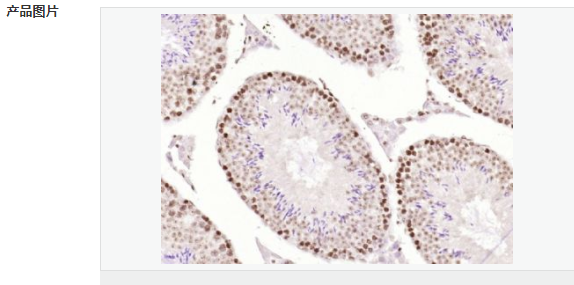 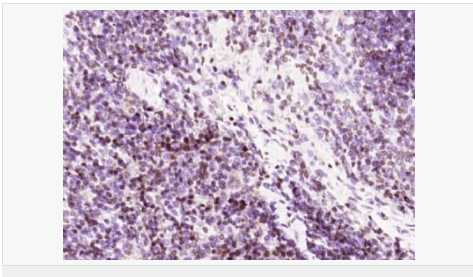 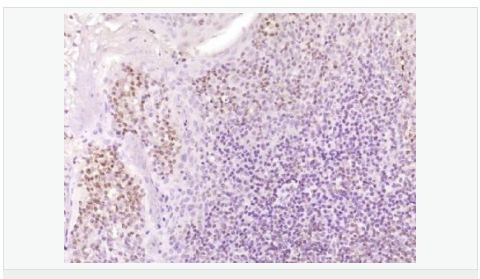 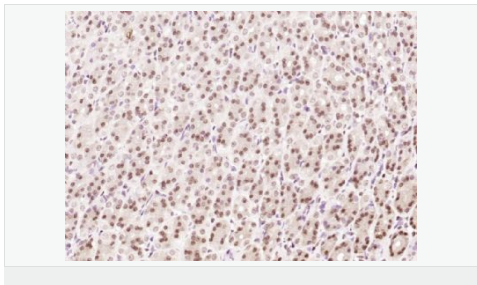 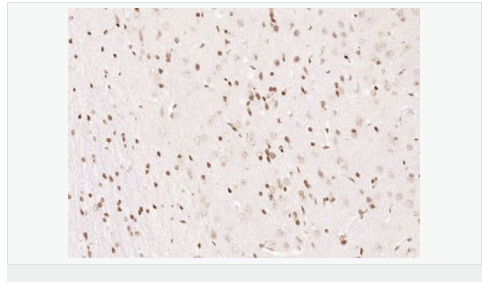 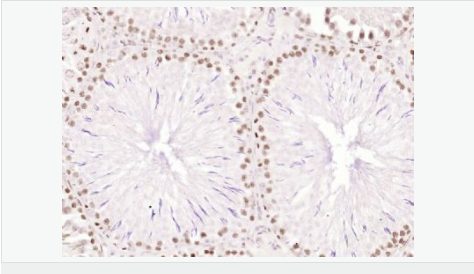 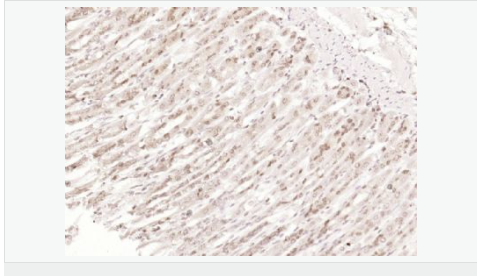 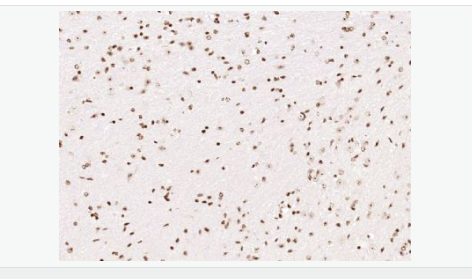 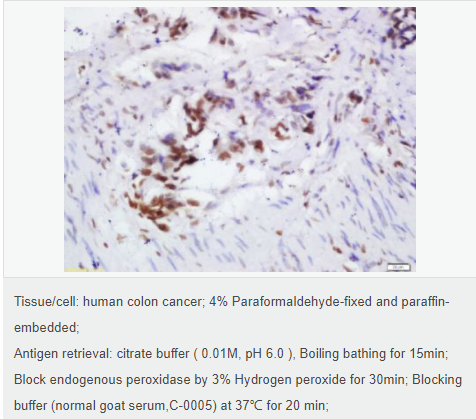 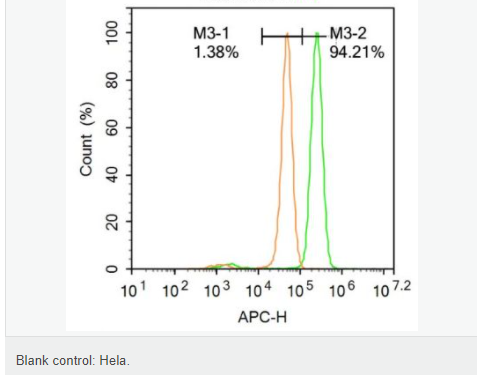 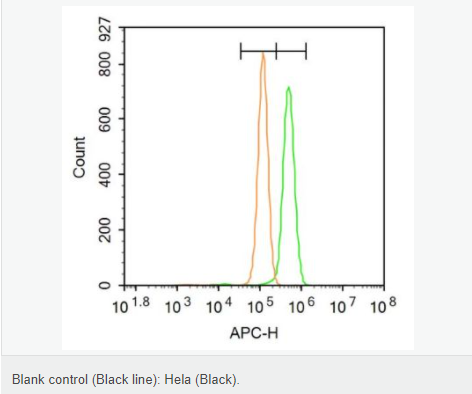 |








