1. Signaling Pathways
  2. PI3K/Akt/mTOR
  3. PI3K

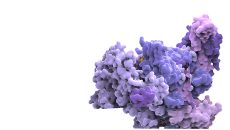
PI3K (磷脂酰肌醇3-激酶)

Phosphoinositide 3-kinase

PI3K(磷酸肌醇 3-激酶)通过肌醇脂质磷脂酰肌醇 4,5-二磷酸 (PI(4,5)P2) 的磷酸化,形成第二信使分子磷脂酰肌醇 (3,4,5)-三磷酸 (PI(3,4,5)P3),后者募集并激活含有 pleckstrin 同源域的蛋白质,从而引发对增殖、存活和迁移至关重要的下游信号传导事件。I 类 PI3K 酶由四种不同的催化异构体组成,即 PI3Kα、PI3Kβ、PI3Kδ 和 PI3Kγ。

PI3K 酶主要有三类,其中 IA 类与癌症密切相关。IA 类 PI3K 是异二聚脂质激酶,由催化亚基(p110α、p110β 或 p110δ;分别由 PIK3CAPIK3CBPIK3CD 基因编码)和调节亚基 (p85) 组成。

PI3K 通路在许多生物过程中起重要作用,包括细胞周期进程、细胞生长、存活、肌动蛋白重排和迁移以及细胞内囊泡运输。

PI3K (Phosphoinositide 3-kinase), via phosphorylation of the inositol lipid phosphatidylinositol 4,5-bisphosphate (PI(4,5)P2), forms the second messenger molecule phosphatidylinositol (3,4,5)-trisphosphate (PI(3,4,5)P3) which recruits and activates pleckstrin homology domain containing proteins, leading to downstream signalling events crucial for proliferation, survival and migration. Class I PI3K enzymes consist of four distinct catalytic isoforms, PI3Kα, PI3Kβ, PI3Kδ and PI3Kγ.

There are three major classes of PI3K enzymes, being class IA widely associated to cancer. Class IA PI3K are heterodimeric lipid kinases composed of a catalytic subunit (p110α, p110β, or p110δ; encoded by PIK3CA, PIK3CB, and PIK3CD genes, respectively) and a regulatory subunit (p85).

The PI3K pathway plays an important role in many biological processes, including cell cycle progression, cell growth, survival, actin rearrangement and migration, and intracellular vesicular transport.

Cat. No. Product Name Effect Purity Chemical Structure
  • HY-10114
    TGX-221 Inhibitor 99.74%
    TGX-221 是一种高效的、选择性的、细胞膜渗透的 PI3K p110β 抑制剂,常用于癌症研究。
    TGX-221
  • HY-12046
    PIK-93 Inhibitor 99.81%
    PIK-93 是一种合成的,有效的 PI4KIIIβ 抑制剂,IC50 值为 19 nM,同时可抑制 PI3KγPI3Kα 的活性,IC50 值分别为 16 nM 和 39 nM。
    PIK-93
  • HY-15477
    YS-49 Activator 99.98%
    YS-49 是 PI3K/Akt (RhoA 的下游靶标) 的激活剂,可减少 3-甲基胆碱处理的细胞中 RhoA/PTEN 的激活。YS-49 能通过诱导血红素加氧酶 (HO-1) 来抑制血管紧张素 II (Ang II) 刺激 VSMC 细胞的增殖。YS-49 是异喹啉化合物生物碱,因能激活心脏 β-adrenoceptors 而具有强烈的正性肌力作用。
    YS-49
  • HY-N0146
    Quercetin dihydrate

    二水槲皮素

    Inhibitor
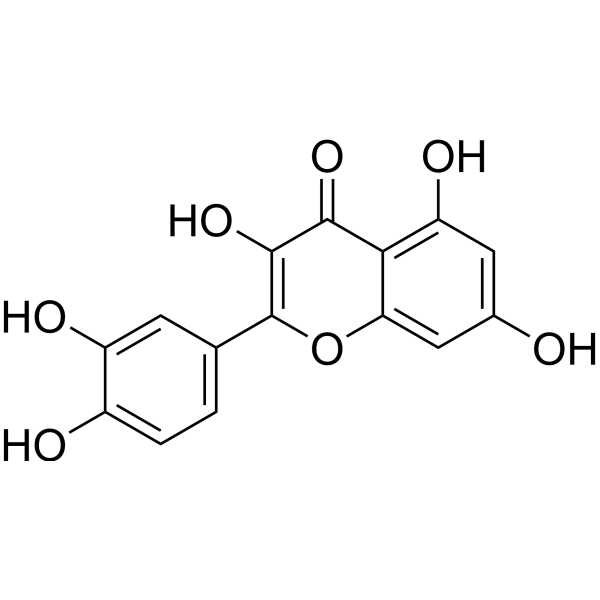
    Quercetin dihydrate 是一种天然黄酮类化合物,可激活或抑制许多蛋白质的活性。Quercetin (dihydrate) 可激活 SIRT1,也可抑制 PI3K,抑制 PI3K γ,PI3K δ,PI3K β 的 IC50 值分别为 2.4 μM, 3.0 μM, 5.4 μM。
    Quercetin dihydrate
  • HY-18085R
    Quercetin (Standard)

    槲皮素 (标准品)

    Inhibitor 99.64%
    Quercetin (Standard) 是 Quercetin 的分析标准品。本产品用于研究及分析应用。Quercetin 是一种天然黄酮类化合物,可激活或抑制许多蛋白质的活性。Quercetin 可激活 SIRT1,也可抑制 PI3K,抑制 PI3KγPI3KδPI3KβIC50 分别为 2.4 μM,3.0 μM,5.4 μM。
    Quercetin (Standard)
  • HY-159852
    BBO-10203 Ligand 99.12%
    BBO-10203 是一种强效的 PI3KαKRASG12C 抑制剂,选择性地并与 RAS 结合域中的 Cys242 共价结合,抑制 KRASG12C 的 GTP 结合状态和 GDP 结合状态,其 IC50 为 0.031 nM,EC50 为 0.02 nM。BBO-10203 扰乱了 RAS 各异构体与 PI3Kα 之间的相互作用,导致 RAS 介导的 PI3Kα 激活被抑制,并降低 pERK 表达,细胞增殖,诱导 G1 期阻滞和凋亡 (apoptosis)。BBO-10203 可用于 乳腺癌结直肠癌非小细胞肺癌 的研究。
    BBO-10203
  • HY-12868
    Bimiralisib Inhibitor 98.62%
    Bimiralisib (PQR309) 是一种有效的,可穿透血脑屏障的,PI3K/mTOR 抑制剂,抑制 PI3Kα, PI3Kδ, PI3Kβ, PI3KγmTORIC50 分别为 33 nM,451 nM,661 nM,708 nM 和 89 nM。Bimiralisib 是 mTORC1mTORC2 抑制剂。
    Bimiralisib
  • HY-12461
    WS6 Activator 99.94%
    WS6 是一种 IkB 激酶和 EBP1 抑制剂,在 MV4-11、MOLM13 和 K562 细胞中的 IC50 值分别为 0.24 nM、0.21 nM、40.48 nM。WS6 促进胰岛中 α 和 β 细胞的增殖,具有抗氧化和抗炎活性,可以缓解大鼠的抑郁样行为。
    WS6
  • HY-N6739
    Beauvericin

    白僵菌素

    Inhibitor 99.97%
    Beauvericin 是一种环六肽镰刀菌毒素,具有杀虫、抗菌、抗癌、抗病毒和细胞毒活性。Beauvericin 通过产生 DNA 断裂、染色体畸变和微核,造成细胞的遗传毒性,并抑制 PI3K/AKT 通路诱导细胞凋亡 (apoptosis),从而抑制 HCC 的生长。此外,Beauvericin 通过抑制淋巴细胞增殖和干扰人单核细胞向巨噬细胞的分化过程,来影响免疫功能。
    Beauvericin
  • HY-N0847
    Micheliolide

    木香内酯

    Inhibitor 99.77%
    Micheliolide 是一种具有抗癌和抗炎作用的倍半萜内酯,来源于 Michelia compressaMichelia champaca。Micheliolide 可以减少高糖刺激下的小鼠肾小管细胞中 NF-κB 的激活、IκBα 的降解,以及 MCP-1、TGF-β1 和 FN 的表达。Micheliolide 抑制 LPS (HY-D1056) 引起的 NF-κBPI3K/Akt/p70S6K 通路的激活,从而发挥抗炎作用。Micheliolide 抑制黄原酸钠 (DSS) (HY-116282) 引起的炎症性肠病、结肠炎相关癌症和类风湿关节炎。
    Micheliolide
  • HY-13246
    Apitolisib Inhibitor 99.29%
    Apitolisib (GDC-0980; GNE 390; RG 7422) 是一种口服有效的 PI3KmTOR (TORC1/2) 激酶抑制剂,抑制 PI3Kα/PI3Kβ/PI3Kδ/PI3Kγ 的活性,IC50 值为 5 nM/27 nM/7 nM/14 nM。 抑制mTORKi 为 17 nM。
    Apitolisib
  • HY-113308
    Taurolithocholic acid Inhibitor 99.7%
    Taurolithocholic acid 是一种口服有效的胆汁酸和抗病毒剂。Taurolithocholic acid 能通过激活 TGR5-PI3K/AKT-SREBP2 信号轴上调 FADS2,抑制 SFTSV 诱导的铁死亡 (Ferroptosis)、病毒复制及 HBV/HDV 的病毒进入,同时降低 IL-1β、脂质 ROS LDH 的释放。Taurolithocholic acid 在发挥抗病毒保护作用的同时,也能刺激肝细胞膜转运蛋白回收,损伤小管胆汁酸分泌功能,诱导肝细胞胆汁淤积、细胞凋亡和急性肝细胞损伤。Taurolithocholic acid 可作为肝细胞胆汁淤积的实验模型化合物。在 ≤200 μM 浓度下,Taurolithocholic acid 无细胞毒性且不激活干扰素通路。Taurolithocholic acid 既能保护小鼠免受致死性 SFTSV 感染,又适用于重症发热伴血小板减少综合征及胆汁淤积相关的研究。
    Taurolithocholic acid
  • HY-W004284
    Heptadecanoic acid

    十七烷酸

    Activator 99.90%
    Heptadecanoic acid 是一种具有口服活性的奇链饱和脂肪酸 (OCS-FA )。Heptadecanoic acid 可抑制细胞增殖,诱导细胞凋亡 (Apoptosis)。Heptadecanoic acid 具有抗肿瘤活性。Heptadecanoic acid 与一些疾病有关,包括冠心病、糖尿病前期和 2 型糖尿病以及多发性硬化症。
    Heptadecanoic acid
  • HY-P0118B
    Disitertide diammonium Inhibitor 99.00%
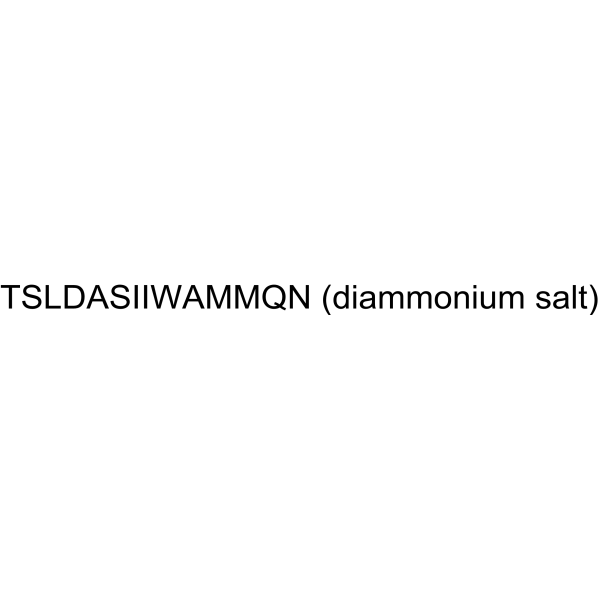
    Disitertide (P144) diammonium 是转化生长因子 TGFβ1 的多肽抑制剂,特异性的阻断其与受体间的相互作用。Disitertide diammonium 也是PI3K 的抑制剂和凋亡 (apoptosis) 诱导剂。
    Disitertide diammonium
  • HY-N0837
    Veratramine

    黎芦碱

    Inhibitor 99.84%
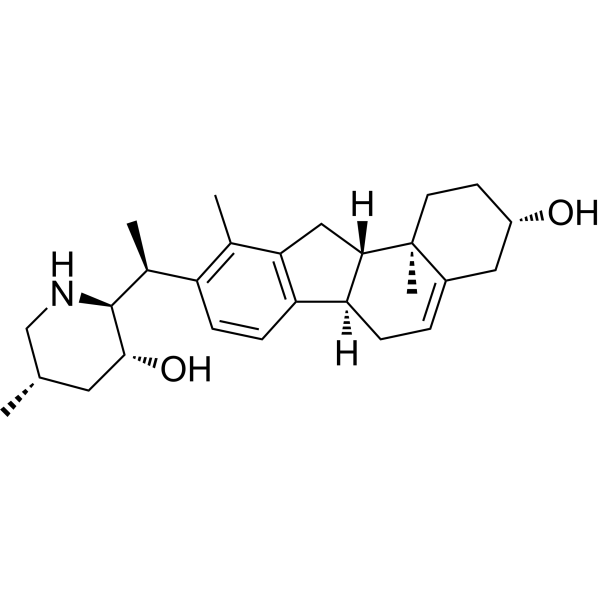
    Veratramine (NSC17821; NSC23880) 是一种口服有效的 PI3K/Akt/mTOR 信号通路抑制剂及 SIGMAR1 调节剂。Veratramine 诱导肿瘤细胞自噬性凋亡 (autophagy),阻滞细胞周期于 G0/G1 期,并抑制上皮-间质转化 (EMT) 相关蛋白减少肿瘤迁移。Veratramine 通过抑制 SIGMAR1 与 NMDAR 结合及 NMDAR Ser896 位点磷酸化,减轻神经病变模型中脊髓和坐骨神经病理损伤。Veratramine 具有抗肿瘤增殖、诱导凋亡 (apoptosis、抑制炎症及神经保护活性,可用于肝癌、骨肉瘤等癌症及糖尿病周围神经病变的研究。
    Veratramine
  • HY-50847
    ZSTK474 Inhibitor 99.71%
    ZSTK474 是一种 ATP 竞争性的泛 I 类 PI3K 抑制剂,抑制 PI3KαPI3KβPI3KδPI3KγIC50 分别为 16 nM,44 nM,4.6 nM 和 49 nM。
    ZSTK474
  • HY-12330
    AZD8186 Inhibitor 99.98%
    AZD8186 是一种 PI3K 抑制剂,抑制 PI3Kβ (IC5050=4 nM),PI3Kδ (IC5050=12 nM),PI3Kα (IC50=35 nM) 和 PI3Kγ (IC50=675 nM)。
    AZD8186
  • HY-N2187
    Deoxyshikonin

    去氧紫草素

    Inhibitor 99.96%
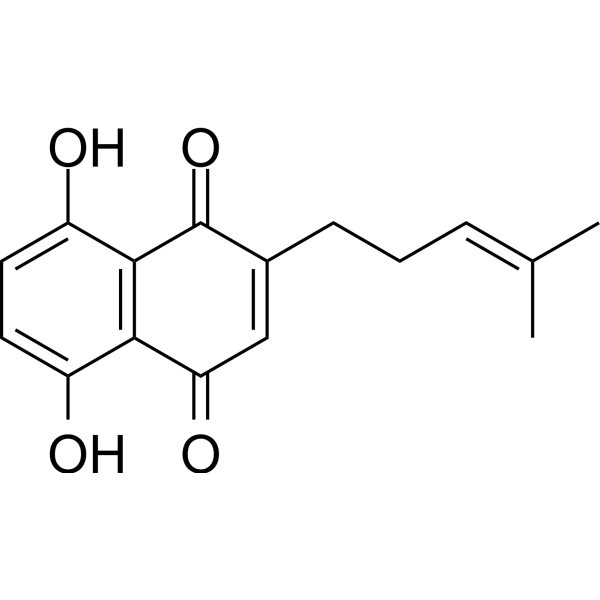
    Deoxyshikonin 增加 HMVEC-dLy 中 VEGF-CVEGF-A mRNA 的表达,促进 HIF-1α 和 HIF-1β 亚基相互作用,并与 HIF 特异性 DNA 序列结合。Deoxyshikonin 通过 PI3K/Akt/mTOR 通路抑制结直肠癌 (CRC)。Deoxyshikonin 具有促血管生成和抗肿瘤作用。Deoxyshikonin 是一种抗菌剂,具有抗 S. aureus (MRSA) 和 S. pneumonia (MIC=17 μg/mL) 活性。
    Deoxyshikonin
  • HY-13334A
    BGT226 Inhibitor 99.85%
    BGT226 (NVP-BGT226) 是一种 PI3K (针对 PI3KαPI3KβPI3KγIC50分别是4 nM,63 nM,38 nM ) /mTOR 双抑制剂,对人头颈癌细胞具有较强的生长抑制活性。
    BGT226
  • HY-15174
    Dactolisib Tosylate Inhibitor 99.87%
    Dactolisib Tosylate (BEZ235 Tosylate) 是PI3KmTOR的双重激酶抑制剂,对PI3Kα, β, γ, δ 的IC50值分别为4, 75, 7, 5 nM。Dactolisib Tosylate (BEZ235 Tosylate) 抑制 mTORC1mTORC2
    Dactolisib Tosylate
目录号 产品名 / 同用名 应用 反应物种

Phosphatidylinositol 3 kinases (PI3Ks) are a family of lipid kinases that integrate signals from growth factors, cytokines and other environmental cues, translating them into intracellular signals that regulate multiple signaling pathways. These pathways control many physiological functions and cellular processes, which include cell proliferation, growth, survival, motility and metabolism[1]


In the absence of activating signals, p85 interacts with p110 and inhibits p110 kinase activity. Following receptor tyrosine kinase (RTK) or G protein-coupled receptor (GPCR) activation, class I PI3Ks are recruited to the plasma membrane, where p85 inhibition of p110 is relieved and p110 phosphorylates PIP2 to generate PIP3. The activated insulin receptor recruits intracellular adaptor protein IRS1. Phosphorylation of IRS proteins on tyrosine residues by the insulin receptor initiates the recruitment and activation of PI3K. PIP3 acts as a second messenger which promotes the phosphorylation of Akt at Thr308 by PDK-1. RTK activation can also trigger Ras-Raf-MEK-ERK pathway. Activated Akt, ERK and RSK phosphorylate TSC2 at multiple sites to inhibit TSC1-TSC2-TBC1D7, which is the TSC complex that acts as a GTPase-activating protein (GAP) for the small GTPase RHEB. During inhibition of the TSC complex, GTP-loaded RHEB binds the mTOR catalytic domain to activate mTORC1. Glycogen synthase kinase 3β (GSK-3β) activates the TSC complex by phosphorylating TSC2 at Ser1379 and Ser1383. Phosphorylation of these two residues requires priming by AMPK-dependent phosphorylation of Ser1387. Wnt signaling inhibits GSK-3β and the TSC complex, and thus activates mTORC1. mTORC2 is activated by Wnt in a manner dependent on the small GTPase RAC1. Akt activation contributes to diverse cellular activities which include cell survival, growth, proliferation, angiogenesis, metabolism, and migration. Important downstream targets of Akt are GSK-3, FOXOs, BAD, AS160, eNOS, and mTOR. mTORC1 negatively regulates autophagy through multiple inputs, including inhibitory phosphorylation of ULK1, and promotes protein synthesis through activation of the translation initiation promoter S6K and through inhibition of the inhibitory mRNA cap binding 4E-BP1[1][2][3].


PI3Kδ is a heterodimeric enzyme, typically composed of a p85α regulatory subunit and a p110δ catalytic subunit. In T cells, the TCR, the costimulatory receptor ICOS and the IL-2R can activate PI3Kδ. In B cells, PI3Kδ is activated upon crosslinking of the B cell receptor (BCR). The BCR co-opts the co-receptor CD19 or the adaptor B cell associated protein (BCAP), both of which have YXXM motifs to which the p85α SH2 domains can bind. In lumphocytes, BTK and ITK contribute to the activation of PLCγ and promotes the generation of DAG and the influx of Ca2+, which in turn activate PKC and the CARMA1-, BCL 10- and MALT1 containing (CBM) complex. The resulting NF-κB inhibitor kinase (IKK) activation leads to the phosphorylation and the degradation of IκB, and to the nuclear accumulation of the p50-p65 NF-κB heterodimer. MyD88 is an adapter protein that mediates signal transduction for most TLRs and leads to activation of PI3K[4].


Reference:

[1]. Thorpe LM, et al. PI3K in cancer: divergent roles of isoforms, modes of activation and therapeutic targeting.Nat Rev Cancer. 2015 Jan;15(1):7-24. 
[2]. Vanhaesebroeck B, et al. PI3K signalling: the path to discovery and understanding.Nat Rev Mol Cell Biol. 2012 Feb 23;13(3):195-203. 
[3]. Fruman DA, et al. The PI3K Pathway in Human Disease.Cell. 2017 Aug 10;170(4):605-635.
[4]. Lucas CL, et al. PI3Kδ and primary immunodeficiencies.Nat Rev Immunol. 2016 Nov;16(11):702-714. 

Your Search Returned No Results.

Sorry. There is currently no product that acts on isoform together.

Please try each isoform separately.